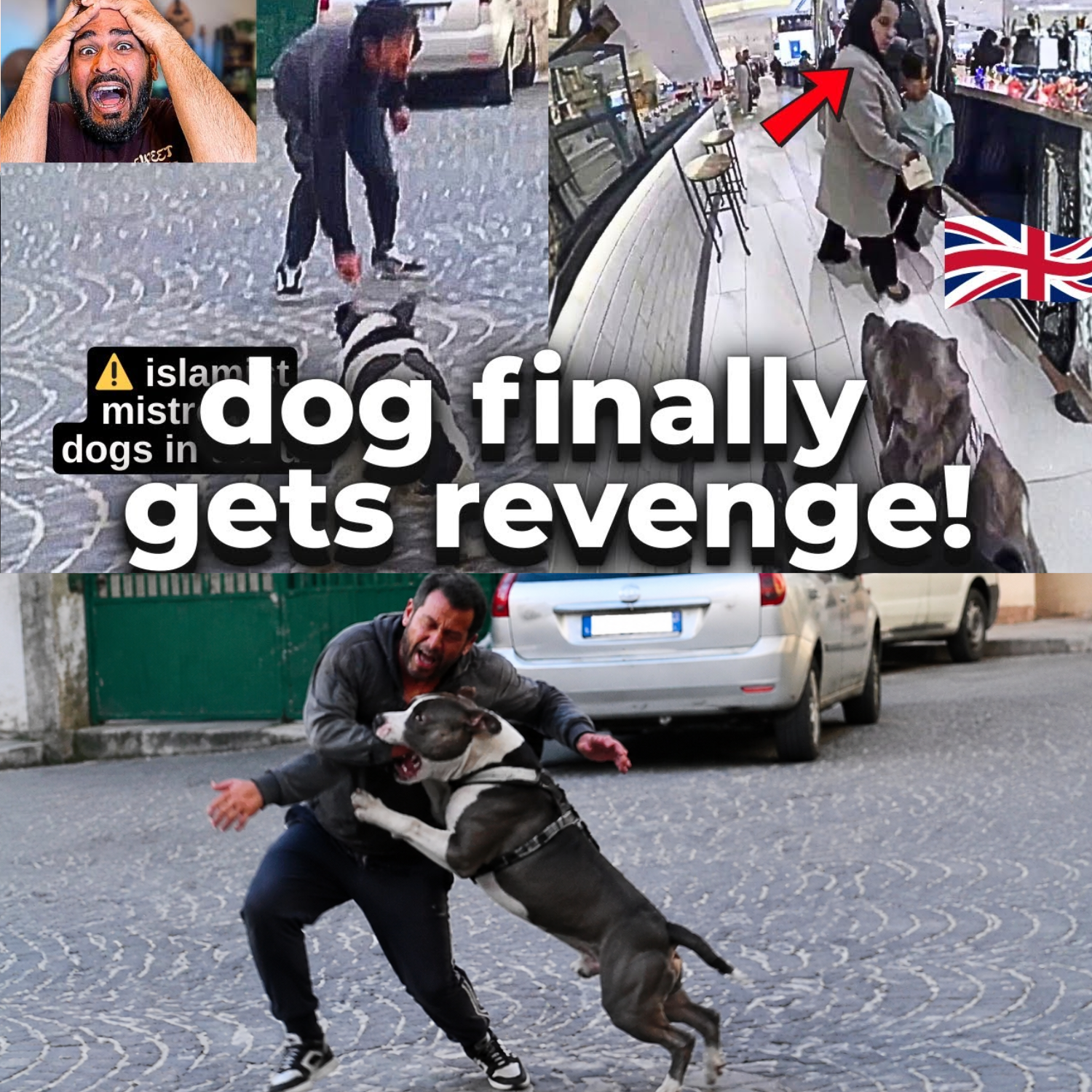
Muslims Picked a Fight With The WRONG Dog In The UK!!!
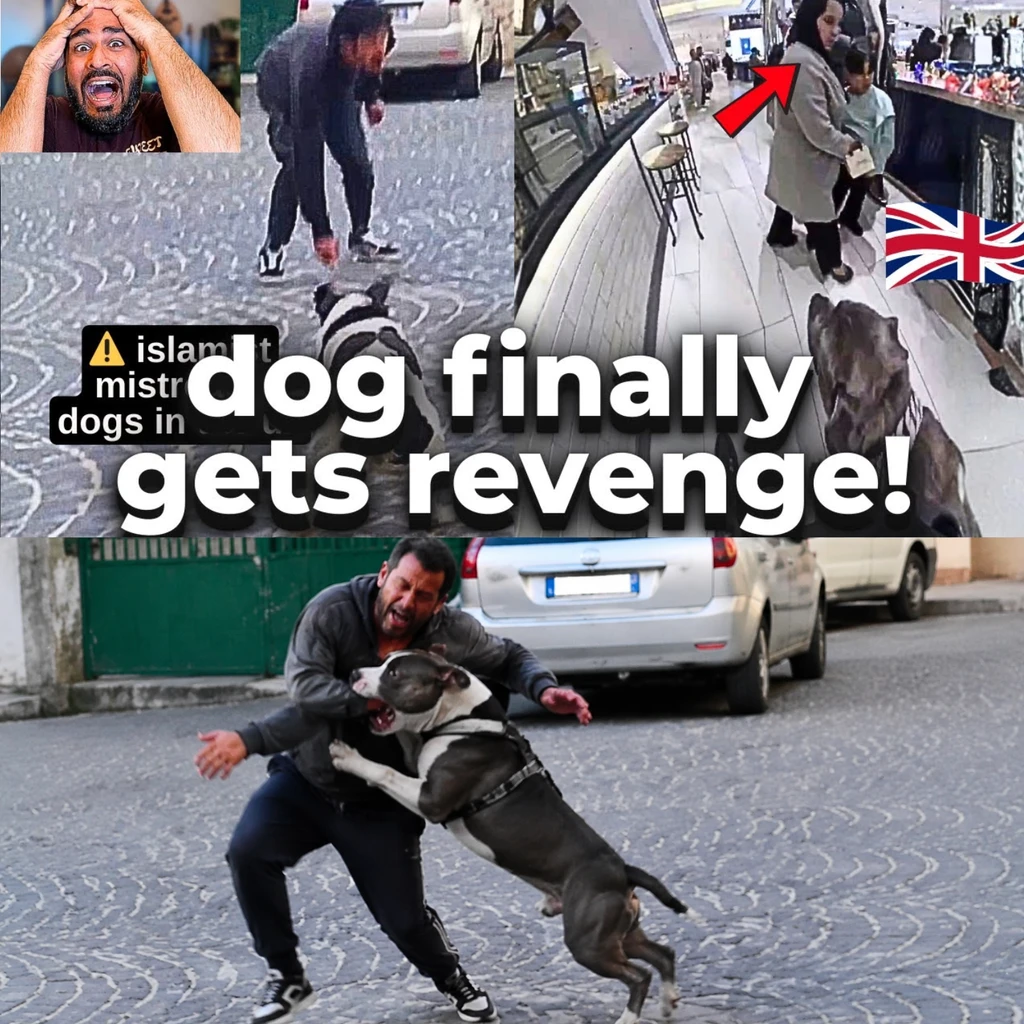
The crowd froze for exactly three seconds.
That was all it took for one fluffy golden retriever, wearing a tiny blue raincoat and wagging its tail like a celebrity on a red carpet, to ignite one of the internet’s wildest social debates of the year.
What began as an ordinary evening gathering in a packed downtown square quickly spiraled into viral clips, furious livestreams, online feuds, emotional interviews, and a digital culture war nobody saw coming. Within hours, hashtags exploded across social media. Millions watched, argued, laughed, and panicked as video after video showed tense reactions to dogs appearing in public spaces where they were clearly… not welcome by everyone.
Some viewers called it hilarious.
Others called it disturbing.
And a growing number of people online are now asking a strange but serious question:
Instead?
Almost nothing happened.
People stared. Some moved away awkwardly. Others ignored the situation completely. A few looked visibly uncomfortable. But no explosive reaction came.
Ironically, that silence may have fueled the internet frenzy even more.
Clips from the scene spread across social platforms overnight, accompanied by dramatic captions, reaction videos, conspiracy theories, and heated commentary from streamers who dissected every second frame-by-frame like it was footage from a celebrity scandal.
One influencer shouted:
“This tiny dog just exposed a cultural divide nobody wants to talk about!”
Another declared:
“People aren’t arguing about pets anymore. They’re arguing about identity.”
Suddenly, dogs weren’t just pets.
They were symbols.
“THE DOGS KNOW”
Then came the Manchester clip.
A man casually walked a large shepherd mix through a crowded neighborhood while filming reactions around him. Online viewers became obsessed with the dog’s behavior itself.
Every time nervous pedestrians stepped aside or hesitated, the dog reportedly turned its head and stared directly at them, almost as if it sensed tension in the air.
Comment sections exploded.
“THE DOG KNOWS.”
“Dogs can feel fear.”
“That animal has more social awareness than half the internet.”
Within 48 hours, the clip had millions of views and thousands of parody edits. TikTok creators added dramatic music. Meme pages crowned the dog “The Mayor of Manchester.” One viral remix portrayed the animal as a secret peacekeeper wandering through urban chaos trying to unite humanity one awkward sidewalk encounter at a time.
Ridiculous?
Absolutely.
But people could not stop watching.
WHEN A DOG BECAME A HERO
Just as the internet began calming down, another shocking video reignited the debate.
This time, an elderly woman was reportedly approached by a phone thief on a quiet street. Before the suspect could escape, her dog lunged forward barking furiously, forcing the man to run away empty-handed.
The clip spread like wildfire.
Animal lovers immediately crowned the dog a hero. Comments poured in from users saying things like:
“Dogs protect us more than we deserve.”
“Forget security cameras. Get a Labrador.”
“Every city needs ten thousand more dogs immediately.”
Even major entertainment accounts reposted the footage, turning the canine defender into an overnight internet legend.
The woman later appeared smiling in local interviews while hugging the dog tightly.
“He sleeps on my couch now,” she reportedly joked.
THE ONLINE MOVEMENT NOBODY EXPECTED
Then things got weird.
Really weird.
Across forums and livestream channels, people began encouraging city residents to adopt more dogs and walk them publicly as a symbol of openness, friendliness, and community spirit.
Animal shelters unexpectedly reported increased online attention. Dog adoption hashtags surged. Influencers posted glamorous photoshoots with rescue puppies under captions like:
“More paws. Less fear.”
“Neighborhoods need wagging tails.”
“Love dogs loudly.”
Some critics accused internet personalities of intentionally provoking tension for clicks and views. Others argued the movement was simply promoting public comfort, pet ownership, and animal companionship.
Either way, dogs had somehow become central players in a giant social-media spectacle.
And the internet was eating it up.
THE WOMAN WHO SHOCKED EVERYONE
Then came the interview that changed the conversation entirely.
In a now-viral street interview filmed in Australia, a young woman who had relocated from overseas spoke emotionally about growing up in a strict environment where simple freedoms many people take for granted were heavily restricted.
Her voice shook as she described what it felt like to hide parts of herself every day.
Then she dropped the line that stunned viewers worldwide:
“People threatened to shoot our dog if we walked it outside.”
Social media erupted instantly.
Millions shared the clip. Reaction creators posted emotional breakdowns. Animal lovers flooded the comments with disbelief and outrage.
But what truly struck viewers wasn’t just the dog story.
It was her quiet sadness.
She spoke about wanting ordinary things — singing freely, dressing freely, laughing freely, living without fear. The interview quickly transformed from viral entertainment into something much deeper and more emotional.
One commenter wrote:
“This stopped being internet drama the moment she started talking.”
Another posted:
“You can hear years of pain in her voice.”
For many viewers, the conversation suddenly became less about pets and more about freedom, belonging, identity, and human connection.
INTERNET CELEBRITIES ENTER THE CHAOS
As clips continued spreading, major YouTubers and livestream personalities jumped into the conversation. Some treated it like comedy. Others approached it like investigative journalism.
One creator spent nearly an hour reacting dramatically to dog-related viral videos while sitting in front of flashing neon lights and sipping an energy drink.
Another uploaded a documentary-style breakdown titled:
“Why Dogs Are Dividing the Internet.”
Meanwhile, influencers began attacking each other publicly over who was “fearmongering,” who was “rage farming,” and who was simply chasing viral engagement.
Accusations flew nonstop.
One streamer yelled during a broadcast:
“People are turning ordinary social awkwardness into a civilization-ending crisis!”
Another fired back:
“Ignoring cultural tension doesn’t make it disappear!”
At one point, even dog trainers entered the debate.
Yes. Dog trainers.
One viral canine behavior expert claimed the animals themselves were becoming stressed because owners kept dragging them into politically charged situations for social media content.
“The dogs didn’t ask for this,” she said in a clip viewed over four million times.
Fair point.
THE RISE OF “DOG DIPLOMACY”
Then came perhaps the strangest twist of all.
Some communities actually began organizing public “dog walks” intended to bring people together peacefully.
Families, students, elderly residents, and pet lovers gathered in parks carrying signs promoting kindness, coexistence, and animal adoption. Videos showed children petting huskies while strangers chatted and laughed nearby.
The internet quickly gave the phenomenon a name:
Dog Diplomacy.
Absurd?
Maybe.
But surprisingly effective.
Several organizers claimed the events reduced neighborhood tension and encouraged more friendly interaction between strangers who normally avoided each other.
One local resident described it perfectly:
“Nobody argues while scratching a golden retriever behind the ears.”
Honestly, hard to disagree.
THE DARK SIDE OF VIRAL OUTRAGE
Still, not everyone found the trend funny.
Critics warned that online personalities were fueling division by exaggerating cultural misunderstandings for clicks and advertising revenue. Experts pointed out how viral content often strips away nuance, turning complicated human experiences into simplistic “us versus them” narratives.
And they may have a point.
Because beneath the memes, reaction clips, and dramatic commentary lies something far more unsettling about modern internet culture itself:
People are addicted to outrage.
Algorithms reward conflict.
Fear spreads faster than context.
And once social media chooses a symbol — whether it’s a flag, a food item, or even a dog — that symbol can become emotionally explosive overnight.
THE DOGS REMAIN UNAWARE
Through all of this chaos, one detail remains strangely wholesome:
The dogs themselves have absolutely no idea what’s happening.
They continue chasing tennis balls.
Sleeping upside down.
Demanding snacks.
Sniffing strangers.
Living their best lives while humanity melts down around them.
And maybe that’s why people became so emotionally attached to these viral moments in the first place.
Dogs represent something simple in an increasingly tense world: loyalty, safety, comfort, innocence.
They don’t care about internet wars.
They don’t care about hashtags.
They don’t care about cultural tension.
They just want affection.
WHERE DOES THIS GO NEXT?
Nobody really knows.
Some believe the controversy will disappear within weeks like every other online obsession. Others think it reflects a much deeper global anxiety about identity, belonging, and changing social norms.
But one thing is undeniable:
A few viral dog videos somehow exposed emotional fault lines millions of people were already feeling beneath the surface.
And now the internet cannot stop talking about it.
From crowded city streets to livestream studios, from emotional interviews to meme pages flooded with barking GIFs, the great canine culture storm has officially become one of the strangest viral sagas of the year.
All because a few dogs went for a walk.
And the world lost its mind.